
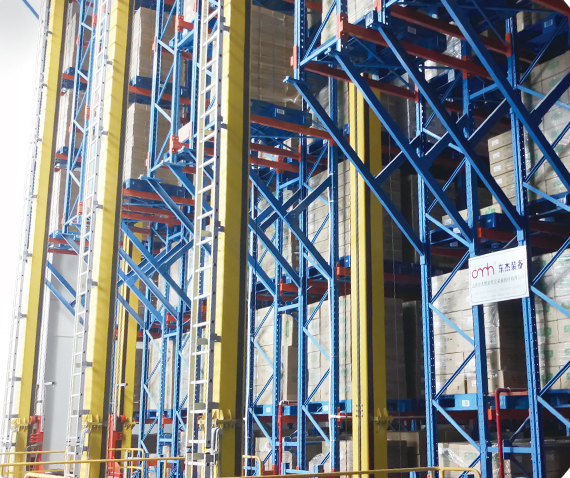
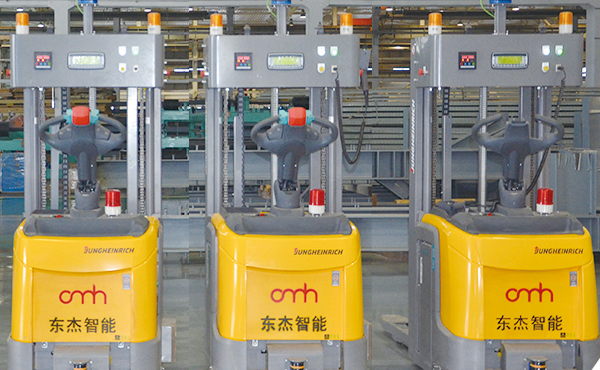


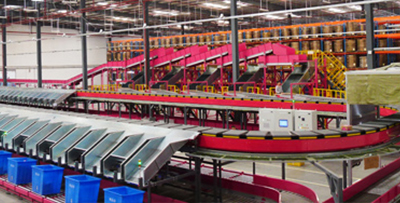



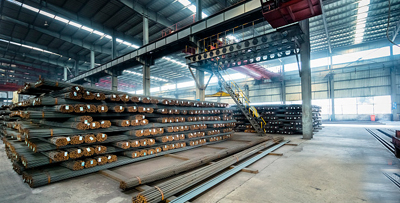
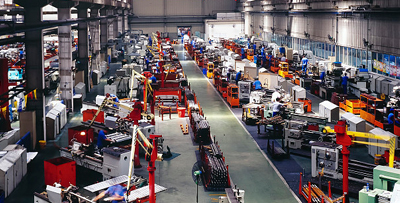
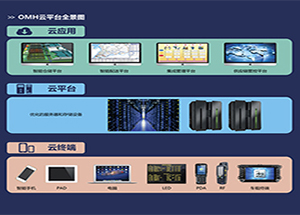
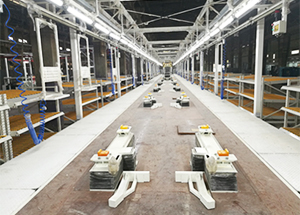

















As the modern logistics and warehousing industry advances towards high speed and high automation, automatic and intelligent 3D warehouses are increasingly used. As a crucial part of such cutting-edge warehouses, automated conveyor lines boast unique superiority in moving goods in and out.
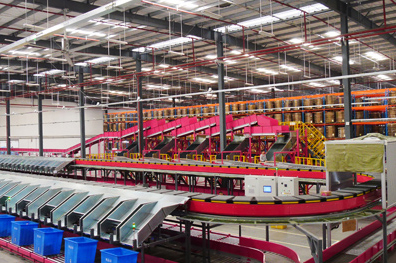
By function, automated conveyor lines can be divided into inbound and outbound lines. Inbound conveyor lines quickly and accurately distribute the pallet containers transported from an inbound operation site to the storage platforms of each lane, and then these containers are placed in racks by stackers. While outbound conveyor lines are designed to deliver the pallet containers picked by stackers to an outbound operation site, and the containers are then transported out of the warehouse for loading. In some logistics warehousing companies, where the circulation volume of pallet containers is not large, inbound and outbound conveyor lines can also be integrated into one single transport line to allow inbound and outbound operations to take place in sequence.
Besides the above two basic functions – stock-in and stock-out, our conveyor lines offer logistics warehouses of different natures and for different purposes extra functions, so as to build up a more complete and efficient automated conveyor line system. For example, to move only part of the goods in the pallet containers out of the warehouse, companies have to set a section for picking and re-entry along the outbound conveyor line. Moreover, as packaging, weighing, stacking and inspection are often required before storage, it is important to properly connect the inbound conveyor line with the equipment for following operations.
Roller conveyor lines and chain conveyor lines are commonly used as inbound and outbound conveyor lines in warehouses. At the intersection of trunk lines and branch lines, transfer machines, lifting tables, and universal platforms are mostly used for diversion and confluence. To save area, in big automated warehouses, inbound and outbound conveyor lines are often arranged on the same line in two layers. In this case, elevators are also needed to connect the upper conveyor lines with those on the ground.
Control requirements for automated stock-in/ out:
(1) Address recognition: That is, the conveyor system shall be able to correctly send cargo boxes in or out of the warehouse according to the specified address. Analog coding is usually used for tracking.
(2) Automatic adjustment: It can intelligently and automatically adjust the logistics rhythm of the warehouse, so that the entire transportation system maintains stable and efficient.
(3) It can be closely connected with all equipment in the automated warehouse, and integrated with warehouse management into a holistic automated warehouse control system.
In the automated conveyor line system, position detection is performed by photoelectric switches, and the delivery of goods by conveyor lines is coordinated by PLC – both work to meet the high-precision requirements of modern logistics warehousing. (For stock-out control, it should be noted that the outgoing goods must not collide with those on inbound trunk lines. The general solution is to place outbound and inbound trunk conveyors separately.)

All rights reserved:OMH SCIENCE Group Co.,Ltd.
Record number:Jin ICP No.12001603
Technical Support:Long Cai Technology (Shanxi) Co., Ltd.
All rights reserved:OMH SCIENCE Group Co.,Ltd.
Record number:Jin ICP No.12001603
Technical Support:Long Cai Technology (Shanxi) Co., Ltd.
 主站蜘蛛池模板:
91成人免费电影
|
丁香婷婷成人
|
www久久久
|
国产精品久久久久国产a级
激情综合中文娱乐网
|
国产福利a
|
久久午夜网
|
激情欧美日韩一区二区
|
夜夜骑日日操
|
久久免费精品国产
|
国产亚洲精品久久久网站好莱
|
黄污网站在线观看
|
国产成人久久av免费高清密臂
|
日韩免费在线观看网站
|
午夜久久久久久久久
|
欧美国产在线看
|
中文字幕免费一区
|
国产高清精品在线观看
|
中文字幕第一页av
|
av综合在线观看
|
久久99九九99精品
|
玖玖爱在线观看
|
国产视
|
日本黄色免费在线观看
|
欧美激情第一页xxx
午夜性福利
|
国产美女精品人人做人人爽
|
丁香六月伊人
|
国产伦精品一区二区三区在线
|
黄色影院在线免费观看
|
丰满少妇一级片
|
女人18片毛片90分钟
|
国产精品久久在线观看
|
在线看黄网站
|
色婷婷激情五月
|
香蕉视频在线播放
|
99久久精品日本一区二区免费
|
亚洲一区二区三区在线看
|
国产精品久久久久久爽爽爽
|
免费男女羞羞的视频网站中文字幕
|
国产一级免费观看
|
欧美亚洲国产精品久久高清浪潮
|
99久久精品国产网站
|
主站蜘蛛池模板:
91成人免费电影
|
丁香婷婷成人
|
www久久久
|
国产精品久久久久国产a级
激情综合中文娱乐网
|
国产福利a
|
久久午夜网
|
激情欧美日韩一区二区
|
夜夜骑日日操
|
久久免费精品国产
|
国产亚洲精品久久久网站好莱
|
黄污网站在线观看
|
国产成人久久av免费高清密臂
|
日韩免费在线观看网站
|
午夜久久久久久久久
|
欧美国产在线看
|
中文字幕免费一区
|
国产高清精品在线观看
|
中文字幕第一页av
|
av综合在线观看
|
久久99九九99精品
|
玖玖爱在线观看
|
国产视
|
日本黄色免费在线观看
|
欧美激情第一页xxx
午夜性福利
|
国产美女精品人人做人人爽
|
丁香六月伊人
|
国产伦精品一区二区三区在线
|
黄色影院在线免费观看
|
丰满少妇一级片
|
女人18片毛片90分钟
|
国产精品久久在线观看
|
在线看黄网站
|
色婷婷激情五月
|
香蕉视频在线播放
|
99久久精品日本一区二区免费
|
亚洲一区二区三区在线看
|
国产精品久久久久久爽爽爽
|
免费男女羞羞的视频网站中文字幕
|
国产一级免费观看
|
欧美亚洲国产精品久久高清浪潮
|
99久久精品国产网站
|
 TOP
TOP